



Facial Redness Treatment
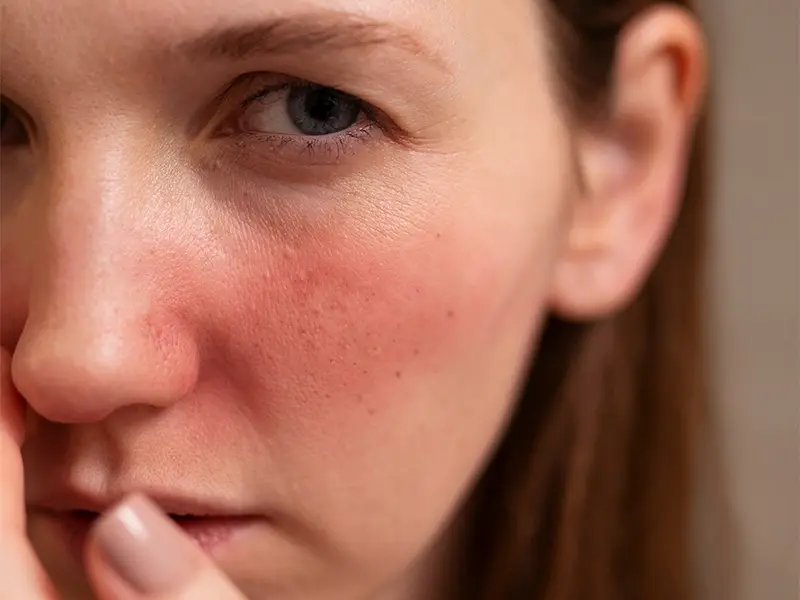
Facial redness is a condition characterized by a noticeable feeling and appearance of redness on the skin, usually caused by the dilation of blood vessels located beneath the skin in the facial area. Although many people think this problem only occurs in moments of embarrassment or shame, many different factors can actually lead to this condition. Before addressing facial redness treatment, it is important to fully understand what this condition is.
Redness is often temporary, but in some cases it can become permanent, which may negatively affect a person’s self-confidence. This condition is seen more frequently in individuals with sensitive skin and may also appear depending on skin type and genetic factors. Therefore, having the right information and seeking professional help are important for managing facial redness.
Physical or emotional factors can trigger facial redness. For example, hot drinks, spicy foods, sudden temperature changes, and stress can make this condition more pronounced. Recognizing such factors and avoiding them when possible can help keep facial redness under control.
Causes of Facial Redness
There can be multiple causes of facial redness, and each individual’s experience may differ. Some of the most common causes are:
Stress and Emotional States: Mental stress, anxiety, or emotions such as embarrassment can increase blood flow and cause facial redness. This may appear suddenly depending on a person’s emotional reactions.
Environmental Factors: Environmental conditions such as cold weather, temperature changes, wind, and sun can trigger facial redness. Individuals with sensitive skin are particularly more affected under such conditions.
Rosacea: Rosacea is one of the most common causes of facial redness and is a chronic skin condition. Rosacea treatment is important with the aim of alleviating symptoms and improving the appearance of the skin.
In addition to these causes, alcohol consumption, spicy foods, and certain medications can also increase facial redness. Knowing these factors and avoiding them can be effective in controlling redness.
The Relationship Between Rosacea and Facial Redness
Rosacea is one of the primary causes of facial redness and typically becomes apparent on the nose, cheeks, forehead, and chin. This condition presents with redness, a burning sensation, and sometimes small pustules on the skin. Rosacea treatment is quite important for improving the appearance of the skin and preventing the progression of the disease.
Although the exact cause of rosacea is unknown, genetic predisposition and environmental factors may play a role in the development of this condition. In addition, the disorder is more common in women than men and usually begins between the ages of 30 and 50. If left untreated, rosacea may worsen over time and lead to permanent skin changes.
During the treatment process, identifying individual factors and avoiding them is of great importance. Rosacea treatment is generally carried out with topical or oral medications and is supported by skin care products recommended by dermatologists. In addition, laser therapy can be an effective option to alleviate rosacea symptoms.
Facial Redness Treatment with Laser
Laser therapy is a popular and effective option for facial redness treatment. This method aims to reduce redness by targeting the dilated blood vessels beneath the skin. Laser treatment generally yields quick results and has minimal side effects.
The technology used in laser treatments targets the blood vessels in the deeper layers of the skin and helps these vessels constrict. This contributes to a reduction in skin redness and a smoother skin appearance. The treatment process is usually planned in several sessions, with a certain interval between each session.
Laser treatment is generally painless and offers a quick recovery period. However, care should be taken with skin care before and after treatment, and the doctor’s recommendations should be followed. In this way, the effectiveness of the treatment can be increased and unwanted side effects minimized.
Facial Redness Treatment with Dr. Yavuz Selim Çınar
Dr. Yavuz Selim Çınar is a dermatologist specialized in facial redness treatment and offers personalized treatment plans for many patients. Dr. Çınar develops treatment methods tailored to each patient’s individual needs and strives to achieve the best results by using state-of-the-art devices.
Dr. Çınar’s approach involves a detailed analysis of the patient’s skin structure and the causes of redness. In this way, the most appropriate treatment method is determined, with the goal of providing the best outcomes for the patient. Dr. Çınar prioritizes patient comfort throughout the treatment process and creates a sense of trust by providing detailed information at every step.
At Dr. Yavuz Selim Çınar’s clinic, many different methods, including laser, are used for the treatment of facial redness. Throughout the treatment process, he provides recommendations for skin health, contributing to long-term results.
Treatment Options for Facial Redness in Bursa
Bursa is home to many professional and well-equipped healthcare centers for the treatment of facial redness. In this city, there are many dermatologists and aesthetic specialists who are experts in skin problems. Experienced physicians such as Dr. Yavuz Selim Çınar, in particular, offer a significant advantage for those living in Bursa.
Treatment options in Bursa include laser therapy, topical and oral medications, and skin care products. Each treatment method is personalized according to the individual’s needs and applied carefully to achieve the best results. In clinics in Bursa, modern devices and up-to-date treatment methods are used to effectively manage facial redness problems.
If you are experiencing facial redness and would like to receive professional help, many options await you in Bursa. By contacting expert dermatologists such as Dr. Yavuz Selim Çınar, you can create the most suitable treatment plan for you and observe the changes in your skin.
The information provided here is for informational purposes only and should not be considered as medical advice. Please consult with your doctor for personalized treatment recommendations and professional medical guidance.