



Rosacea Laser
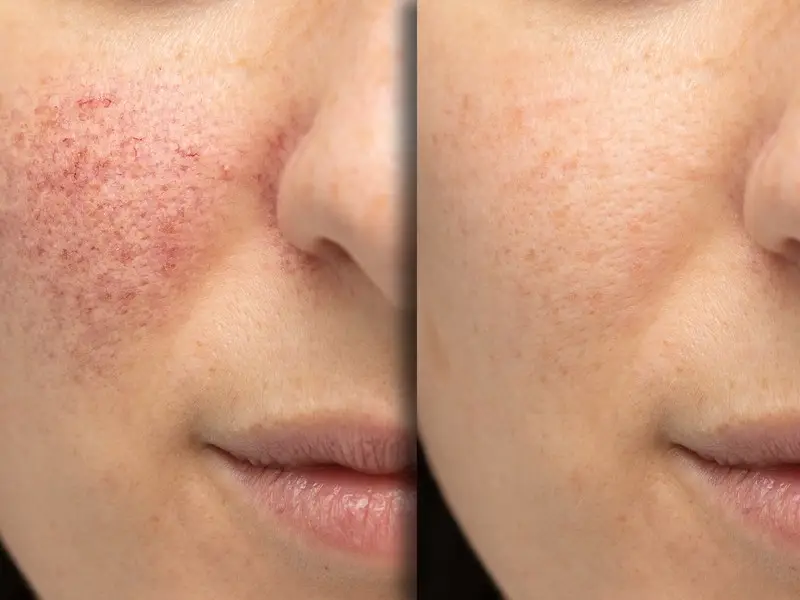
Rosacea is a chronic skin condition typically characterized by facial redness, acne-like bumps, and visible capillaries. It is more common in fair-skinned individuals and usually begins after age 30. While the exact cause is unknown, genetic and environmental factors are thought to play a role.
This condition can negatively affect quality of life, bringing psychological challenges alongside cosmetic concerns. Burning, stinging, and itching sensations on the skin may also be bothersome. Treatment aims to ease symptoms and restore a healthier skin appearance.
People with rosacea should avoid triggers and establish an appropriate skincare routine. Alongside modern options like Rozasea Lazer Tedavisi — Rosacea Laser Treatment, topical and oral medications may be used.
Symptoms and Causes of Rosacea
Common signs include persistent facial redness, inflamed acne-like lesions, and more prominent capillaries. Some patients develop thickening and enlargement of the nose (rhinophyma). These symptoms may flare periodically, further disrupting daily life.
Though the causes aren’t fully understood, recognized triggers include hot beverages, spicy foods, alcohol, sun exposure, stress, and rapid temperature changes. Genetic predisposition matters too—those with a family history are at higher risk.
The condition may also relate to exaggerated immune responses and skin-surface microorganisms, so therapies often emphasize calming the skin and modulating immunity.
Rosacea Laser Treatment Works
Laser technology effectively reduces facial redness and the visibility of vessels. Laser light penetrates the skin’s deeper layers, targets dilated vessels, and induces their constriction. As a result, redness and inflammation diminish.
Treatment is typically delivered in several sessions spaced apart to allow repair and maximize effect. During sessions, patients usually feel mild warmth or tingling, which is generally tolerable. Most can resume normal activities quickly; transient redness or swelling may occur and typically resolves soon after.
Rosacea Laser Treatment
This minimally invasive, non-surgical approach selectively targets problem vessels while sparing surrounding tissue—preserving the skin’s natural structure.
Results are often long-lasting: by reaching deeper layers, lasers can provide durable improvement, reducing the need for frequent retreatment and enhancing quality of life.
Compared with some topical or oral therapies that can irritate skin or cause systemic effects, laser therapy tends to have fewer side effects, making recovery more comfortable.
Rosacea Laser Treatment with Dr. Yavuz Selim Çınar
In Bursa, Dr. Yavuz Selim Çınar is known for personalized rosacea care. Using state-of-the-art systems, he tailors session length and number to skin type and disease severity to reduce redness and visible vessels while supporting overall skin health.
Before and after treatment, patients receive detailed guidance so expectations are clear and results are optimized. Working with an experienced specialist makes the process safer and more effective.
Considerations During Rosacea Care
After laser sessions, mild redness and sensitivity can appear; broad-spectrum sun protection is essential to shield healing skin and support results.
Maintain skin hydration with gentle moisturizers, and avoid harsh chemicals and very hot water. Finally, schedule regular follow-ups—ongoing dermatology care with a specialist such as Dr. Yavuz Selim Çınar helps keep improvements stable over the long term.
The information provided here is for informational purposes only and should not be considered as medical advice. Please consult with your doctor for personalized treatment recommendations and professional medical guidance.