



Acne and Acne Scar Laser Treatment
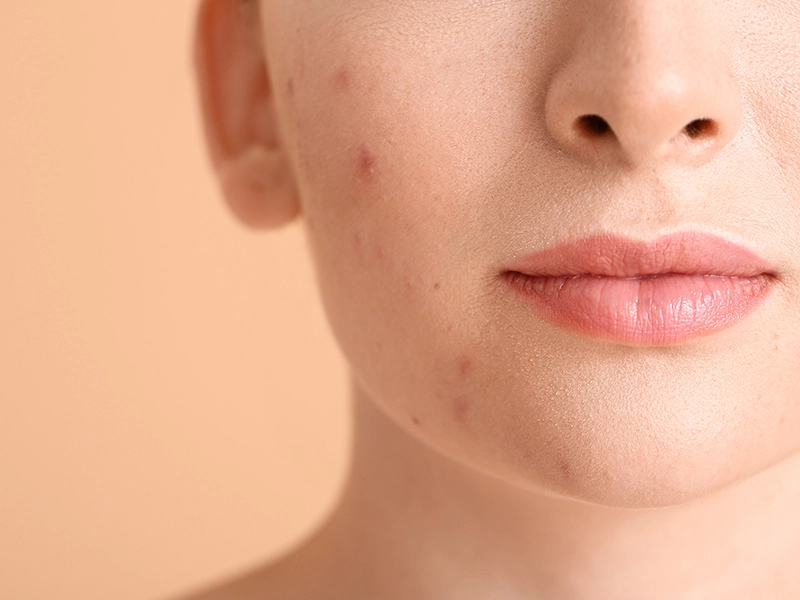
Acne is a skin problem that usually begins during adolescence and is characterized by symptoms such as pimples and blackheads. It commonly appears on the face, back, and chest areas. Acne occurs as a result of overactive sebaceous glands in the skin and can be influenced by various factors. Hormonal changes, genetic factors, and certain environmental influences can trigger acne formation.
Acne scars are the marks left on the skin after acne. These scars occur due to the damage to the skin's natural structure. Acne scars are usually seen as indentations or dark spots on the skin. These marks can affect an individual's self-confidence and cause discomfort in social life. For this reason, many people seek various treatment methods to eliminate these scars.
Acne and acne scars require different treatment methods. Acne treatment typically involves medications, creams, and skincare products, while acne scars may require more advanced treatment options. In this case, laser therapy can be an effective solution.
Benefits of Laser Treatment for Acne and Acne Scars
Laser treatment is preferred as an effective method for eliminating acne and acne scars. This treatment method helps reduce scars by renewing the skin's surface. One of the main advantages of laser therapy is that the results are visible quickly and effectively. Most patients can notice significant improvement even after a few sessions.
Laser treatment accelerates the skin's natural healing process, stimulating the formation of new and healthy skin cells. As a result, the quality of the skin tissue improves, and the scars significantly reduce. In addition, laser treatment not only helps to eliminate scars but also contributes to the overall improvement of the skin's appearance. The skin becomes smoother, brighter, and more youthful.
Another significant benefit is that laser treatment is a minimally invasive method. It can reduce scars without the need for surgical intervention, and it does not damage the skin surface. This makes the recovery process faster and more comfortable. Most patients can quickly return to their daily activities after laser treatment.
Laser Treatment Methods for Acne and Acne Scars
Different techniques can be used in laser treatment to treat acne and acne scars. One of these methods is fractional laser treatment. Fractional laser creates micro-level wounds on the skin, promoting skin renewal. This method is very effective for treating deep scars and helps improve skin texture.
Another method is CO2 laser treatment. CO2 laser vaporizes the upper layer of the skin, renewing the skin surface. This method contributes to making the skin smoother and more youthful in appearance. CO2 laser treatment is preferred for deeper and more prominent scars. This treatment method increases collagen production in the skin, providing long-term healing.
Pulse dye laser is particularly effective for eliminating redness and color differences. This type of laser penetrates deeper into the skin to target blood vessels and reduce redness. Pulse dye laser therapy helps even out skin tone and provides a healthier skin appearance.
Preparation Process for Acne and Acne Scar Laser Treatment
Before laser treatment, there are several preparation steps patients need to follow. First, the skin type and the condition of the scars should be evaluated. You can consult with a dermatologist or an aesthetic doctor to create the most appropriate treatment plan for your skin. During this evaluation, the depth of the scars, skin type, and overall health condition will be considered.
Before the treatment, ensure that there is no infection or active acne on the skin. Laser treatment should not be performed on active acne as it can irritate the skin further. To speed up the healing process, you can prepare your skin for the treatment by using skincare products recommended by your doctor.
It is essential to protect your skin from sunlight before the laser treatment. Exposure to the sun can negatively affect the healing process after treatment and may cause skin discoloration. Therefore, it is beneficial to start using sunscreen several weeks before the treatment and avoid direct sunlight exposure.
The information provided here is for informational purposes only and should not be considered as medical advice. Please consult with your doctor for personalized treatment recommendations and professional medical guidance.