



How Do Facial Acne Go Away?
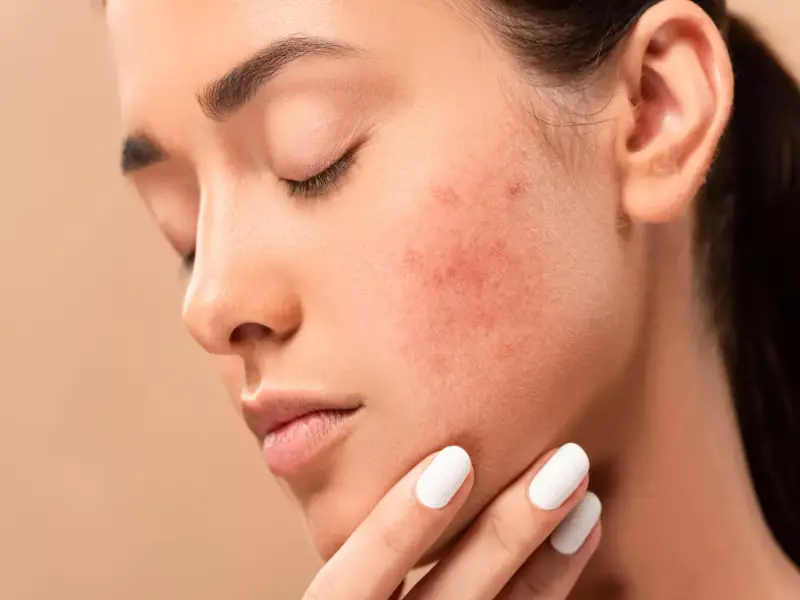
Acne is a common skin concern that many people experience at some point in their lives. In this article, you will find in-depth information about the causes of facial acne and effective ways to treat it. In addition, acne treatment approaches with Dr. Yavuz Selim Çınar in Bursa and post-acne skincare tips are also covered.
Causes of Facial Acne
Facial acne develops when oil glands in the skin become overactive and pores get clogged. Several underlying factors contribute to this process:
Hormonal Changes:
Hormonal fluctuations during adolescence, menstrual cycles, pregnancy, or periods of hormonal imbalance can increase sebum production. Excess oil leads to clogged pores and acne formation.
Genetic Factors:
If acne is common in your family, you may be more prone to experiencing similar skin problems. Genetic predisposition can make the skin more susceptible to breakouts.
Incorrect Product Use:
Using skincare or cosmetic products that are not suitable for your skin type can disrupt the skin barrier and trigger acne. Oil-based or pore-clogging products are especially problematic.
In addition to these factors, stress, dietary habits, and environmental conditions can also play a role in acne development. Understanding these causes is the first step toward effective treatment.
How Do Facial Acne Go Away? Effective Methods
There are several ways to manage and reduce acne. Since every skin type is different, treatment should always be personalized.
Proper Cleansing and Skincare Routine
Daily Cleansing:
Cleanse your face gently twice a day, in the morning and evening. This helps remove excess oil, dirt, and impurities from the skin.
Moisturizing:
Using a lightweight, oil-free moisturizer helps maintain the skin’s moisture balance and strengthens the skin barrier.
Sun Protection:
Sun exposure can worsen acne marks and cause pigmentation issues. Applying a broad-spectrum sunscreen daily is essential.
Diet and Lifestyle Adjustments
Nutrition:
Processed foods, refined sugars, and excessive dairy intake may worsen acne in some individuals. A diet rich in vegetables, fruits, and whole grains supports healthier skin.
Water Intake:
Drinking enough water helps keep the skin hydrated and supports natural detoxification processes.
Stress Management:
Stress can disrupt hormonal balance and increase acne breakouts. Activities such as walking, meditation, or yoga may help reduce stress levels.
These methods can be effective for mild to moderate acne. However, persistent or severe acne may require professional treatment.
Acne Treatment with Dr. Yavuz Selim Çınar
Dr. Yavuz Selim Çınar, one of the most experienced physicians in Bursa, offers modern and individualized approaches to acne treatment. His methods focus on both treating active acne and preventing future breakouts.
Personalized Treatment Planning
Each patient’s skin type and acne condition are evaluated individually. Based on this assessment, a customized treatment plan may include:
Chemical Peeling:
Helps remove dead skin cells, unclog pores, and promote skin renewal.
Laser Treatments:
Target overactive oil glands and help reduce acne scars by stimulating collagen production.
Medical Treatments:
In some cases, topical or oral treatments may be recommended to support the overall treatment plan.
Follow-Up and Ongoing Support
Treatment progress is monitored regularly, and adjustments are made when necessary. This structured follow-up process aims to achieve long-term and sustainable results.
If you are looking to manage acne effectively, consulting Dr. Yavuz Selim Çınar in Bursa can be an important step toward clearer skin.
Post-Acne Skincare
After acne improves, maintaining healthy skin is essential to prevent recurrence and minimize marks.
Supporting Skin Renewal
Gentle Exfoliation:
Light exfoliation once or twice a week helps remove dead skin cells and improves skin texture.
Serums and Care Products:
Products containing antioxidants and vitamins can support skin repair and enhance overall skin quality.
Long-Term Protection
Daily Sun Protection:
Consistent use of sunscreen helps prevent acne marks from becoming darker and more visible.
Balanced Nutrition and Hydration:
A healthy diet and sufficient water intake continue to play a key role in maintaining clear and resilient skin.
Post-acne skincare is a crucial part of the treatment process and supports long-term skin health.
In summary, understanding the causes of facial acne, applying the right skincare routine, and seeking expert support when necessary are key to successful acne management. If you want to achieve clearer and healthier skin, consulting Dr. Yavuz Selim Çınar in Bursa can help you access personalized and effective treatment options.
The information provided here is for informational purposes only and should not be considered as medical advice. Please consult with your doctor for personalized treatment recommendations and professional medical guidance.