



Medical Aesthetics: Discover Your Beauty with Innovative Methods
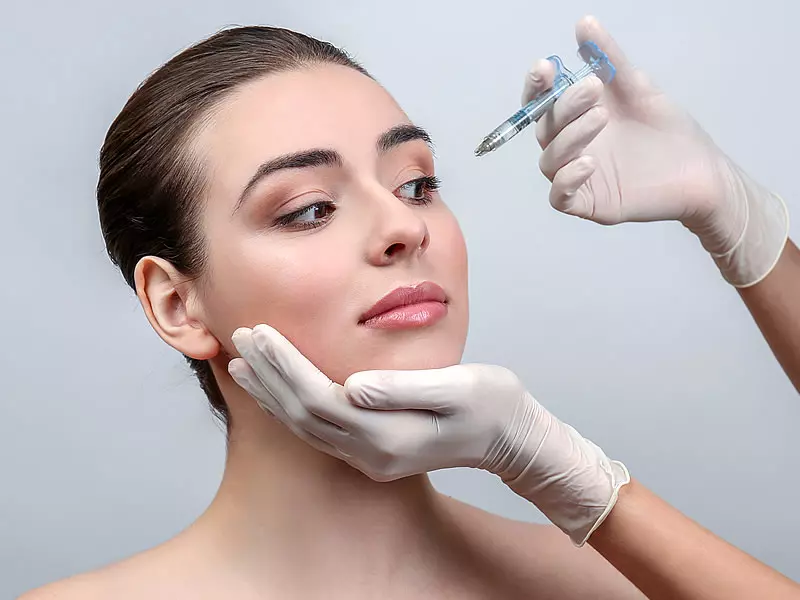
Medical aesthetics encompasses a series of procedures aimed at improving aesthetic appearance using non-surgical methods. These methods include skin rejuvenation, wrinkle removal, and volumizing. Unlike aesthetic surgery, medical aesthetic procedures are typically minimally invasive and offer shorter recovery times.
Medical aesthetics can help individuals enhance their natural beauty and boost their self-confidence. Botox, filler injections, and laser treatments are some of the most well-known examples of medical aesthetic procedures. These methods tighten the skin and provide a more youthful appearance.
In recent years, there have been significant innovations in the field of medical aesthetics. Thanks to advanced technologies, more effective results can now be achieved. This has made medical aesthetics a prominent area in the beauty and healthcare industry.
Most Popular Methods in Medical Aesthetics
There are many popular methods in medical aesthetics. One of the most common is Botox treatment, which is effective in reducing wrinkles. Botox works by restricting the movement of facial muscles, thus reducing the appearance of lines and wrinkles, offering a younger-looking skin.
Another popular method is filler injections. These procedures add volume to the skin, defining facial features. Fillers, especially in the lips, cheeks, and chin areas, are effective in achieving a natural appearance.
Finally, laser treatments, used for treating skin blemishes and acne scars, are also frequently chosen in medical aesthetics. Laser technology renews the top layer of the skin, providing a smoother complexion. These methods are also used to even out skin tone and improve skin texture.
Technological Innovations Used in Medical Aesthetics
Technological innovations in medical aesthetics have enhanced the effectiveness and safety of treatments. Laser technology is one of the foremost innovations. Laser treatments are used for skin renewal, blemish removal, and hair reduction.
Another technological advancement is the use of ultrasonic waves. This method helps tighten subcutaneous tissues and gives the skin a more youthful appearance. Ultrasonic waves penetrate the skin's various layers, boosting collagen production and improving skin elasticity.
Lastly, microneedling techniques are frequently used in medical aesthetics. Microneedling creates microchannels in the skin, triggering the skin's natural healing process. This procedure is effective in reducing fine lines, acne scars, and enlarged pores. Thanks to technological innovations, medical aesthetic procedures have become faster and less painful.
The Relationship Between Medical Aesthetics and Skin Health
Medical aesthetic procedures can positively affect skin health. First, these treatments renew the top layer of the skin, giving it a brighter and healthier appearance. Chemical peels and laser treatments help remove dead skin cells.
Second, medical aesthetics stimulate collagen production, helping the skin maintain its elasticity. Methods such as microneedling and radiofrequency make the skin firmer and tighter, which plays an important role in maintaining skin health.
Lastly, medical aesthetics reduce acne and blemish scars, evening out skin tone. Laser treatments and mesotherapy are effective in treating these skin issues. Healthy and balanced skin improves overall aesthetic appearance and helps individuals feel better about themselves.
How to Make the Right Choice in Medical Aesthetics
Making the right choices is important to make the most of medical aesthetic procedures. First, the experience and specialization of the expert should be taken into account. The person performing the procedure should be qualified and experienced, ensuring safe and effective results.
Second, it is important to decide on the type and purpose of the procedure. The treatment area and expectations should be clearly defined. A detailed initial consultation with the expert will help in choosing the right methods.
Finally, it is important to be informed about the side effects and recovery process of the procedure. Every medical aesthetic procedure may have its own side effects. Therefore, knowing all the details before the treatment ensures a smoother process.
Before and After Medical Aesthetic Procedures
There are some important points to consider before and after medical aesthetic procedures. Before the procedure, the skin should be properly cleaned, and the preparation steps should be followed. Avoiding alcohol and smoking can positively affect skin health and enhance the effectiveness of the procedure.
After the procedure, it is essential to take care of the skin. Since sensitivity may occur, using sunscreen and moisturizing the skin is necessary. Additionally, harsh chemicals should be avoided to prevent skin irritation.
Finally, during the recovery process after the procedure, it is important to follow all the instructions given by the expert. Regular check-ups and adherence to the recommended aftercare steps help achieve faster and more lasting results.
Choosing the Right Expert for Medical Aesthetics
Choosing the right expert for medical aesthetics is the key to achieving successful results. First, the expert's educational background and certifications should be considered. A certified and reputable expert ensures a safe and effective procedure process.
Second, establishing good communication with the expert is important. The expert should provide detailed information about the procedure and answer all your questions. This communication helps you feel comfortable at every stage of the process and ensures your expectations are met.
Lastly, it is useful to review previous patient feedback and references when selecting an expert. This is a good method for evaluating the quality of the expert's previous work and patient satisfaction. Choosing the right expert plays a significant role in getting the best results from medical aesthetic procedures.
The information provided here is for informational purposes only and should not be considered as medical advice. Please consult with your doctor for personalized treatment recommendations and professional medical guidance.