



Under-Eye Mesotherapy: A Solution to Under-Eye Bags and Dark Circles
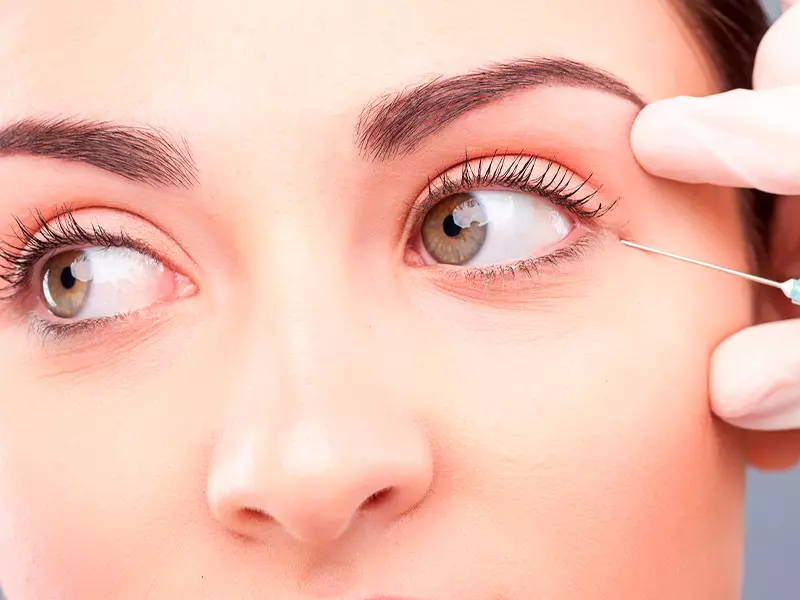
Under-eye mesotherapy is a minimally invasive method used to treat puffiness, dark circles, and fine lines that occur in the under-eye area. This treatment is carried out by injecting vitamins, minerals, amino acids, and other nourishing substances into the under-eye skin. Under-eye mesotherapy promotes skin renewal and helps achieve a brighter and younger appearance around the eyes.
Application Areas of Under-Eye Mesotherapy
After explaining what under-eye mesotherapy is, its application areas include treating under-eye bags, dark circles, fine lines, and reduced skin elasticity. This treatment is suitable for both women and men and improves the overall appearance of the eye area. Additionally, it helps reduce signs of aging, providing a younger and more refreshed expression.
Mechanism of Action of Under-Eye Mesotherapy
The vitamins (such as Vitamin C and E), minerals (like zinc and magnesium), amino acids (such as proline and lysine), and hyaluronic acid used in under-eye mesotherapy are injected into the deeper layers of the skin to stimulate cellular renewal. These components enhance collagen and elastin production, maintaining the skin's firmness and elasticity. Additionally, it improves blood circulation in the under-eye area, helping reduce dark circles.
Advantages of Under-Eye Mesotherapy
-
Reduces under-eye bags and dark circles.
-
Eliminates fine lines and wrinkles.
-
Increases skin elasticity and firmness.
-
Brightens the under-eye area, providing a younger and fresher look.
-
A minimally invasive method with a short recovery time.
Disadvantages of Under-Eye Mesotherapy
-
Temporary redness, swelling, or slight bruising at the injection sites may occur after the procedure.
-
Treatment results may vary from person to person, and in some cases, multiple sessions may be required.
-
Rarely, there may be a risk of allergic reactions or infections.
Under-Eye Mesotherapy Procedure and Aftercare
Under-eye mesotherapy is typically a minimally invasive procedure performed using a local anesthetic cream. The procedure lasts about 20-30 minutes, depending on the size of the treated area. The mesotherapy mixture is injected into the under-eye skin using fine needles. After the procedure, there may be slight redness or swelling at the injection sites, but these symptoms generally subside within a few hours. It is important for patients to pay attention to skincare and follow the doctor’s recommendations after the procedure.
Effectiveness and Follow-up of Under-Eye Mesotherapy
The effectiveness of under-eye mesotherapy depends on the quality of the applied components and the patient's overall health condition. Typically, the results of the treatment begin to appear a few weeks after the procedure, and the full effects become more prominent within a few months. To achieve long-lasting results, it is recommended that the procedure be repeated at regular intervals. Additionally, maintaining a healthy diet, regular sleep, and a skincare routine can enhance the treatment's effectiveness.
Prices for Under-Eye Mesotherapy
The cost of under-eye mesotherapy varies depending on the mesotherapy mixture used, the size of the treated area, and the number of sessions. Prices may differ based on the treatment center and the quality of the products used. For the most accurate price information and treatment plan, it is important to consult with a specialist.
Reviews from People Who Have Had Under-Eye Mesotherapy
Reviews from people who have undergone under-eye mesotherapy clearly reveal the effects of the treatment and their satisfaction level. These reviews often highlight how dark circles and fine lines under the eyes have significantly decreased after the procedure. Additionally, they mention that the treatment is preferred due to its minimally invasive nature and the fast recovery it provides.
The information provided here is for informational purposes only and should not be considered as medical advice. Please consult with your doctor for personalized treatment recommendations and professional medical guidance.