



What Helps with Age Spots?
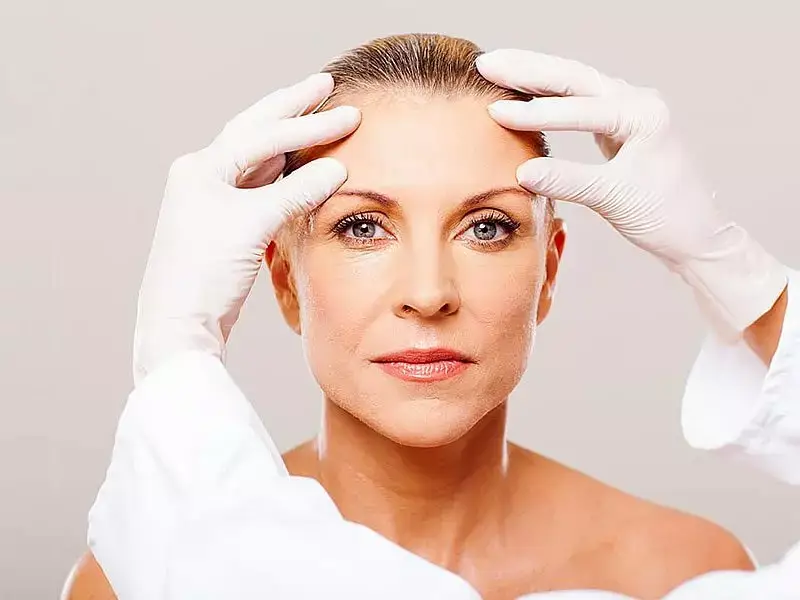
Age spots are dark-colored marks on the skin that are more commonly seen in individuals aged 50 and over. These spots form as a result of melanin pigment accumulation caused by sun exposure. They become especially noticeable on areas such as the face, hands, shoulders, and arms that are frequently exposed to sunlight. Although age spots are harmless, many people wish to reduce their appearance due to aesthetic concerns.
These spots are generally benign and do not require medical intervention. However, spots that grow, spread, or change in appearance should be evaluated by a medical aesthetic specialist. For those seeking one of the best doctors in Bursa, specialists such as Dr. Yavuz Selim Çınar can provide a comprehensive assessment of skin health. There are various methods available to prevent the formation of these spots or reduce the appearance of existing ones.
To better understand these skin changes, it is important to examine the causes of age spots. This knowledge is highly valuable for preventing spot formation and maintaining healthy skin.
Causes of Age Spots
The most common cause of age spots is sun exposure. Ultraviolet (UV) rays increase melanin production in the upper layers of the skin, leading to spot formation. Failing to use sunscreen or taking insufficient protective measures can cause these spots to become more widespread. Therefore, regular use of sunscreen is one of the most effective ways to protect the skin.
Genetic factors also play a significant role in the development of age spots. If age spots are common in your family history, your risk of developing them may be higher. In addition, skin type and tone can influence spot formation, with fair-skinned individuals often experiencing more visible spots.
Another contributing factor is the natural aging process. As the skin ages, cell renewal slows down, which can make spots more persistent. Decreased skin elasticity with age may also increase the visibility of age spots.
What Helps with Age Spots?
There are various natural and medical methods available to reduce or prevent age spots. The answer to what helps with age spots depends on which approach is most suitable for you. First and foremost, proper skincare and sun protection are essential for preventing spot formation. Sunscreens, hats, and protective clothing are among the most effective ways to shield the skin from UV rays.
Natural remedies such as lemon juice, aloe vera gel, and apple cider vinegar are commonly used to help even out skin tone and reduce the appearance of spots. However, it is important to test skin sensitivity before using these products. Regular use is usually required to see visible results.
If natural methods are insufficient, creams and lotions recommended by a medical aesthetic specialist may also be effective. These products help lighten skin tone and reduce the appearance of spots. If you live in Bursa, you can seek professional advice from specialists such as Dr. Yavuz Selim Çınar to determine the most suitable treatment method for your skin.
Dermatological Treatment Options for Age Spots
Professional treatment options offer effective solutions for individuals who want to reduce age spots. Methods such as laser treatment, chemical peeling, and microdermabrasion can significantly improve the appearance of spots. Laser treatment targets melanin pigment directly, helping even out skin tone. This method offers fast and effective results but may require multiple sessions.
Chemical peeling removes dead skin cells and pigmented areas from the surface, promoting skin renewal. This treatment can help the skin appear fresher and more youthful. Microdermabrasion gently exfoliates the skin surface, reducing the visibility of spots. Both treatments require professional application and should be performed under the supervision of a medical aesthetic specialist.
If you are looking for a reliable specialist for these treatments in Bursa, you may consult Dr. Yavuz Selim Çınar, who is regarded as one of the leading doctors in the region. To learn more about these treatment options and choose the most suitable one for your skin, consulting a medical aesthetic specialist is essential. Remember, every skin type is different, and a personalized approach is key to achieving the best results.
The information provided here is for informational purposes only and should not be considered as medical advice. Please consult with your doctor for personalized treatment recommendations and professional medical guidance.