



What is acne?
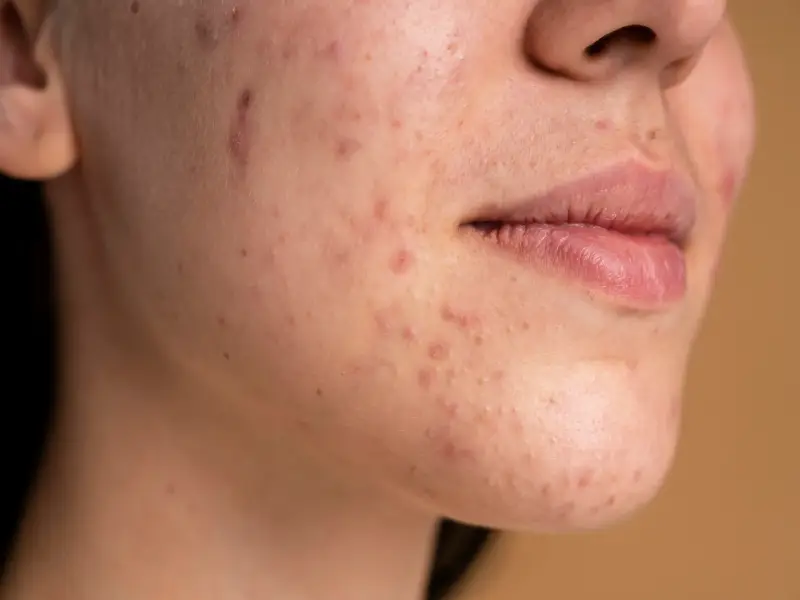
Acne is a common skin problem that usually appears during adolescence. When we ask what is acne, it can be defined as inflamed lesions that occur due to excessive oil production by the sebaceous glands and clogged pores. This condition is more frequently seen in areas where sebaceous glands are dense, such as the face, back, and shoulders. Acne is not only a physical issue but also a skin problem that can affect individuals’ self-confidence.
The development of acne is generally associated with hormonal changes. Increased hormone levels during adolescence cause the sebaceous glands to produce more oil. This oil can combine with dead skin cells and clog pores, creating a suitable environment for bacteria to multiply. This process leads to acne symptoms such as pimples and blackheads.
Acne can occur not only during adolescence but also in adulthood. Various factors such as stress, using unsuitable skincare products, or genetic predisposition can trigger acne formation. Therefore, acne treatment should be customized according to the individual’s skin type and lifestyle.
Causes of Acne
Acne can have many causes and usually occurs due to a combination of more than one factor. Elements such as hormonal changes, genetic predisposition, environmental factors, and lifestyle habits can affect acne formation. Here are some of the main causes of acne:
Hormonal Changes: Hormonal fluctuations such as puberty, menstruation, pregnancy, and menopause can affect the sebaceous glands and lead to increased oil production. This can clog pores and cause acne.
Genetic Factors: Individuals with a family history of acne are more likely to develop acne. Genetic predisposition can affect skin characteristics such as skin type and oil production.
Environmental Factors and Lifestyle: Stress, irregular nutrition, insufficient sleep, and poor hygiene habits can negatively affect skin health. In addition, makeup products or certain cosmetics can clog pores and cause acne.
Understanding the causes of acne is critical for creating an effective treatment plan. Adopting a personalized approach helps achieve better results.
Types of Acne
Acne can appear in different types and levels of severity. Each type of acne may require different treatment methods. Here are some common types of acne:
Comedones: Open (blackheads) and closed (whiteheads) comedones are the result of clogged pores. Blackheads form when oil and dead cells oxidize at the surface of the pore. Whiteheads occur when oil and cells are trapped under the skin.
Papules and Pustules: Papules are small, red, inflamed lesions on the skin surface. Pustules are acne lesions filled with pus, commonly known as pimples. Both types occur as a result of inflammation.
Nodules and Cysts: Nodules and cysts are deeper, often painful types of acne. Nodules are firm and large lesions, while cysts can be larger fluid-filled formations. These types of acne may require more serious treatment methods.
Correctly identifying acne types is very important in the treatment process. Different acne types require different treatment approaches.
Acne Treatment Methods
Methods used in acne treatment may vary depending on the type and severity of acne. The treatment plan is generally determined by considering skin type, age, and other personal factors. Here are some commonly used acne treatment methods:
Topical Treatments: Topical treatments such as creams and gels can be effective for mild to moderate acne. These products usually control oil production, kill bacteria, and reduce inflammation.
Oral Medications: Antibiotics and hormonal treatments may be used in more severe acne cases. Antibiotics target bacteria, while hormonal treatments are used especially in women to correct hormonal imbalances.
Medical Aesthetic Applications: Medical aesthetic methods such as chemical peeling, laser treatment, and microdermabrasion can renew the skin surface and reduce acne scars. These methods are typically performed by a specialist dermatologist.
To be successful in acne treatment, it is important to continue the treatment process regularly and follow dermatologist recommendations. Being patient during the treatment and paying attention to a consistent skincare routine make it easier to achieve positive results.
Best Doctors for Acne Treatment in Bursa
Acne treatment can yield more effective results when managed by a specialist dermatologist. Bursa is known for many dermatologists and aesthetic clinics that provide high-quality healthcare services. When choosing the best doctors in this city, it is important to consider criteria such as experience, patient reviews, and treatment methods.
One of the best doctor choices in Bursa is Dr. Yavuz Selim Çınar, a dermatologist specialized in acne treatment. The individualized treatment plans and modern methods he applies offer effective solutions to his patients. Treatment methods used at Dr. Çınar’s clinic are based on scientific principles and are customized according to each individual’s skin needs.
Other dermatologists in Bursa can also offer various treatment options and provide effective solutions for your acne problem. Working with a specialist doctor increases the likelihood of successful acne treatment and helps protect your skin health.
Acne Treatment with Dr. Yavuz Selim Çınar
Dr. Yavuz Selim Çınar is a respected dermatologist in Bursa specializing in acne treatment. The treatment methods he applies include solutions supported by scientific research and planned on an individual basis. Dr. Çınar takes an individualized approach to each patient, considering their skin type and needs.
At Dr. Çınar’s clinic, customized treatment options are offered according to different acne types. Services are provided across a wide range, from topical treatments to medical aesthetic applications. Each treatment aims to maintain the skin’s natural balance and achieve long-term results. Especially in persistent acne scars and severe acne cases, Dr. Çınar’s expertise provides a major advantage.
The treatment process with Dr. Çınar begins with a detailed skin analysis. This analysis evaluates the current condition of the skin and helps determine the most appropriate treatment method. Regular follow-ups and control sessions throughout the treatment increase effectiveness and allow adjustments to the treatment plan when necessary.
Ways to Cope with Acne
Coping with acne involves not only medical treatment methods but also daily lifestyle habits. An effective fight against acne includes regular skincare routines and healthy lifestyle habits. Here are some ways to cope with acne:
Regular Skincare: Paying attention to skin cleansing is important to prevent pores from clogging. Using products suitable for your skin type, the skin should be cleansed twice a day—morning and evening.
Balanced Nutrition: A balanced and nutritious diet should be followed to support skin health. Drinking plenty of water and consuming fresh fruits and vegetables help maintain the skin’s moisture balance.
Stress Management: Stress can trigger acne formation by causing hormonal changes. Reducing stress through meditation, yoga, or various relaxation techniques can have positive effects on skin health.
The key to coping with acne is being patient and maintaining a consistent skincare routine. It should not be forgotten that healthy skin requires proper care not only from the outside but also from within.
The information provided here is for informational purposes only and should not be considered as medical advice. Please consult with your doctor for personalized treatment recommendations and professional medical guidance.