



What is Nose Filler?
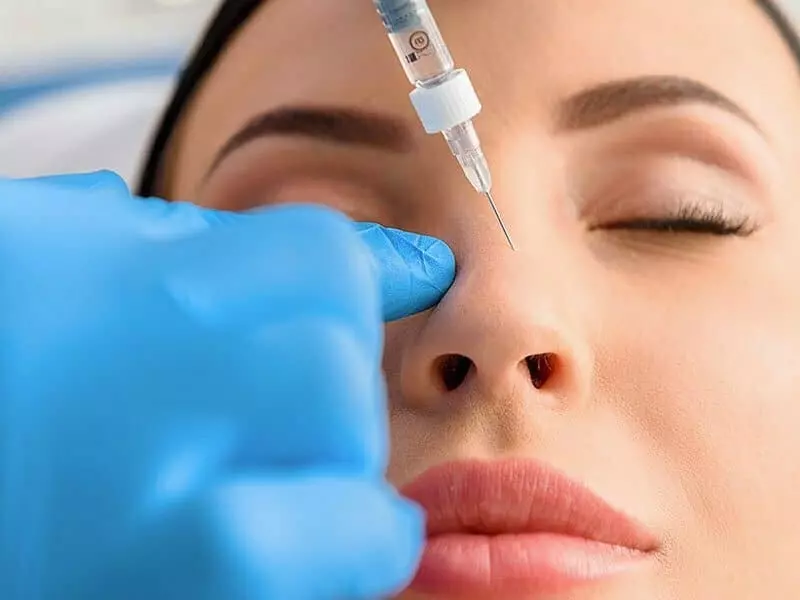
Nose filler is a non-surgical medical aesthetic procedure that aims to correct nasal shape defects, enhance the appearance, and improve the overall structure of the nose. This procedure, known as “non-surgical rhinoplasty” in medical literature, is typically performed by injecting filler materials made from natural components, such as hyaluronic acid, under the skin.
Through nose filler, asymmetries, depressions, slight deformities, and drooping of the nasal tip can be effectively corrected. The procedure is faster and more comfortable compared to surgical intervention, making it a popular choice among individuals who are not inclined toward surgical operations.
Nose filler is a customizable procedure that can address issues like nasal bridge depressions, drooping nasal tips, or small irregularities after aesthetic surgery. Since it does not require cuts or stitches, the recovery time is minimal and painless. However, nose filler is a temporary method, and the injected filler will lose its effect after a certain period, causing the nose to return to its original appearance.
How is Nose Filler Done?
Nose filler is a procedure that should be planned specifically for each individual and performed by an experienced specialist. Before starting the procedure, the patient's nose structure is thoroughly assessed, and a plan is created according to the patient's requests. In the initial phase, a local anesthetic cream is applied to numb the nose area and ensure the patient's comfort. The area is then cleaned with antiseptic solutions, which are crucial for minimizing the risk of infection.
The filler material, typically based on hyaluronic acid, is injected into strategic points using fine needles or cannulas. The filler is then carefully shaped by the doctor. During the procedure, aesthetic goals such as filling the nasal bridge, lifting the nasal tip, or adding volume to sunken areas are achieved. The procedure typically lasts between 15 to 30 minutes, and the patient can quickly return to their daily activities afterward.
How Long Do the Effects of Nose Filler Last?
The duration of the effects of nose filler can vary depending on the type of filler used and the individual's metabolism. In nose filler procedures, hyaluronic acid-based fillers are typically used, and these types of fillers can be effective for 6 to 18 months.
The longevity of the results depends on the quality of the filler material, the amount injected, and the patient's skin structure. Since the filler material is gradually absorbed by the body, the procedure may need to be repeated after a certain period, based on the patient's request and the doctor’s recommendation. Repeat sessions generally do not require the same level of preparation as the first session, and over time, the results may become longer-lasting.
What Are the Advantages of Nose Filler?
Nose filler offers many advantages because it does not require general anesthesia or surgical intervention. Since no surgical cuts or stitches are made, there is no risk of scarring. Unlike surgical operations, the risk of infection and long recovery periods is not a concern with nose filler.
The procedure is generally painless or causes minimal discomfort, offering a highly comfortable experience for patients. Additionally, it is a safe option for individuals allergic to anesthesia, as general anesthesia is not used in nose filler procedures. Instead, a local anesthetic cream is applied to optimize the patient’s comfort.
Nose filler is ideal for those who prefer quick results. The outcomes are visible immediately after the application. The instant noticeable change in the shape of the nose increases patient satisfaction. Another significant advantage of nose filler is its flexibility. If patients are not satisfied with the results, the procedure can easily be reversed. The injected filler can be dissolved using a special enzyme called hyaluronidase, returning the nose to its original appearance.
Another important advantage is the lack of a long recovery period. This allows patients to return to their daily activities immediately after the procedure. Nose filler is especially advantageous for individuals with a fast-paced lifestyle. While mild redness or swelling may occur after the procedure, these effects generally disappear within a few hours or days. Due to the satisfactory results and ease of application, nose filler has become a popular option in medical aesthetics.
What Are the Disadvantages of Nose Filler?
Although nose filler is considered a safe procedure, there are some disadvantages. The permanent results achieved through rhinoplasty cannot be attained with nose filler. Since the effect of the filler is temporary, the results will not last indefinitely. To maintain the results, the procedure may need to be repeated periodically. Therefore, nose filler is not suitable for patients seeking permanent results.
Nose filler cannot achieve all the changes targeted for the nose. With nose filler, only volume can be added to the nose, or shape corrections can be made. Major structural changes, such as reducing the size of the nose or correcting significant deformities, cannot be accomplished with filler injections.
Potential side effects of nose filler include infection, swelling, redness, and allergic reactions to the filler material. Additionally, due to the sensitivity of blood vessels in the nose, unwanted complications may occasionally occur. To prevent such issues, the nose filler treatment must be planned according to the individual's needs and aesthetic expectations. It should also be performed by qualified and experienced doctors, using high-quality materials in a clinical environment.
How Long Does Nose Filler Last?
Nose filler is a completely temporary procedure. The results of the nose filler procedure using hyaluronic acid-based fillers typically last for 12 months. Some high-quality fillers may extend this duration to up to 18 months, depending on the skin structure and the individual’s metabolism. The reason the results are not permanent is that the filler material is gradually absorbed by the body and loses its effect. However, nose filler is a medical aesthetic procedure that can be renewed according to the patient's needs.
To increase the longevity of the results obtained from nose filler, alternative types of fillers can be used. However, these fillers may carry more potential side effects and risks. For those who prefer flexibility rather than permanence, hyaluronic acid-based dermal fillers are an ideal choice.
Nose Filler Prices
The cost of nose filler varies depending on the expertise of the doctor, the quality of the filler material, the clinic where the procedure is performed, and the patient's aesthetic goals. The area to be treated and the amount of filler required also affect the cost of the nose filler procedure.
When it comes to nose filler prices, it is more important to focus on the reliability of the procedure and the expertise of the doctor performing it. Cheap filler procedures are often associated with low-quality materials and insufficient experience, which can lead to unwanted health and aesthetic outcomes. To avoid undesirable situations in both health and aesthetics, it is crucial to choose an expert doctor and a reputable clinic before undergoing a nose filler procedure.
The information provided here is for informational purposes only and should not be considered as medical advice. Please consult with your doctor for personalized treatment recommendations and professional medical guidance.