



Which Doctor Treats Acne?
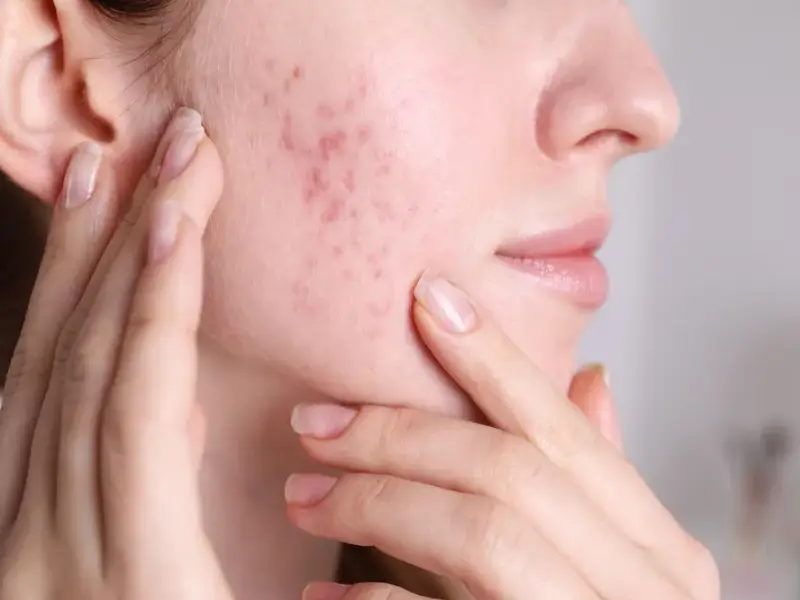
Acne is a common skin condition that many people experience at some point in their lives. So, which doctor treats acne? Finding the right answer to this question and consulting the appropriate specialist is essential for creating an effective treatment plan.
What Is Acne and Why Does It Occur?
Acne consists of small, red, and often painful bumps that form as a result of inflammation in the skin’s oil glands. The sebaceous glands beneath the skin produce an oil called sebum, which helps keep the skin moisturized and healthy. However, when sebum production is excessive, it can clog pores. Blocked pores create an ideal environment for bacteria to multiply, leading to inflammation.
Several factors can contribute to acne formation. Hormonal changes, especially during adolescence, increase sebum production and may lead to acne. Stress, poor nutrition, and genetic factors can also trigger acne. In addition, using inappropriate skincare products or not cleansing the skin properly can worsen acne problems.
Acne does not occur only during adolescence; it can also appear in adulthood. Hormonal fluctuations in women, particularly during pregnancy or menstrual cycles, may cause acne. For this reason, individuals experiencing acne should learn about proper treatment methods and address the condition in a professional manner.
Which Specialists Should You Consult for Acne Treatment?
When searching for an answer to the question of which doctor treats acne, consulting the right specialists is crucial for successful treatment. In Bursa, there are several options for determining the most suitable treatment approach.
Skin Specialists: Doctors who specialize in skin conditions are often the first professionals to consult for acne treatment. They examine the structure of the skin and determine the most appropriate treatment methods.
Medical Aesthetic Specialists: These professionals offer various treatment options to address aesthetic skin concerns. They can be especially helpful for issues such as acne scars and pigmentation.
Family Physicians: For mild acne problems, consulting a family physician may be sufficient at the initial stage. When necessary, they can refer patients to more specialized professionals.
These specialists create personalized treatment plans and apply methods that are best suited to the individual’s skin type. Maintaining open communication with your doctor and sharing your expectations and goals is important throughout the treatment process.
Acne Treatment with Dr. Yavuz Selim Çınar
Dr. Yavuz Selim Çınar is a well-known specialist in Bursa with extensive experience in acne treatment. He provides effective treatment options for various skin concerns and offers personalized treatment plans based on individual needs.
Dr. Çınar develops treatment approaches tailored to each patient’s skin structure and acne condition. By using modern medical devices and advanced technologies, he aims to achieve optimal results. With a strong focus on patient satisfaction, he delivers effective and long-term solutions.
For those searching for reliable acne treatment options in Bursa, Dr. Yavuz Selim Çınar stands out as a trusted choice. Individuals who prioritize their skin health and wish to address acne concerns can benefit from professional consultation with him.
The Role of Medical Aesthetic Specialists
Medical aesthetic specialists play an important role in acne treatment. They use various techniques to improve skin appearance and restore a healthier look. Support from medical aesthetic specialists can be beneficial for concerns such as acne scars, pigmentation, and uneven skin tone.
Laser Treatments: Laser technology is an effective method for reducing the appearance of acne scars and blemishes. Medical aesthetic specialists determine the most suitable laser treatment for each skin type.
Chemical Peeling: This method removes the outer layer of the skin, revealing fresher and healthier skin underneath. It can help reduce the appearance of acne scars.
Microneedling: By stimulating collagen production, microneedling supports skin renewal and can reduce the visibility of acne scars.
In addition to these methods, medical aesthetic specialists also provide guidance on skincare products and personal care routines. With a professional approach, they help improve both skin health and aesthetic appearance.
Important Considerations in Acne Treatment
There are several important factors to consider in order to increase the success of acne treatment. In addition to appropriate treatment methods, certain lifestyle adjustments may be necessary.
Regular Cleansing: Cleansing the skin regularly is one of the most effective ways to prevent clogged pores. Washing the face twice daily with a cleanser suitable for your skin type is recommended.
Healthy Nutrition: Maintaining a balanced and healthy diet is important for skin health. Avoiding sugary and fatty foods may help reduce acne formation.
Stress Management: Stress is a known trigger for acne. Activities such as meditation, yoga, or other relaxation techniques can help manage stress levels.
Following your doctor’s recommendations and adhering to the treatment plan is essential. It is also important to avoid products containing harsh chemicals that may damage the skin. When choosing skincare products, selecting options suitable for your skin type and clinically tested for skin compatibility is recommended.
Methods Used in Acne Treatment
The methods used in acne treatment vary depending on the severity of the condition, skin type, and individual needs. Commonly used acne treatment methods include:
Topical Treatments: Creams, lotions, and gels applied directly to the skin. These products often have antibacterial or anti-inflammatory properties.
Oral Medications: In more severe cases, doctors may prescribe oral antibiotics or hormone-regulating medications. These help control acne by reducing inflammation in the body.
Light and Laser Therapies: Light and laser treatments can help eliminate bacteria and reduce inflammation. These methods are often used in combination with other treatments.
Choosing the appropriate treatment method should always be based on professional advice. Since every individual’s skin structure is different, acne treatment should be planned on a personalized basis.
The information provided here is for informational purposes only and should not be considered as medical advice. Please consult with your doctor for personalized treatment recommendations and professional medical guidance.